How Eleven Multilingual v1 Creates Expressive AI Voices
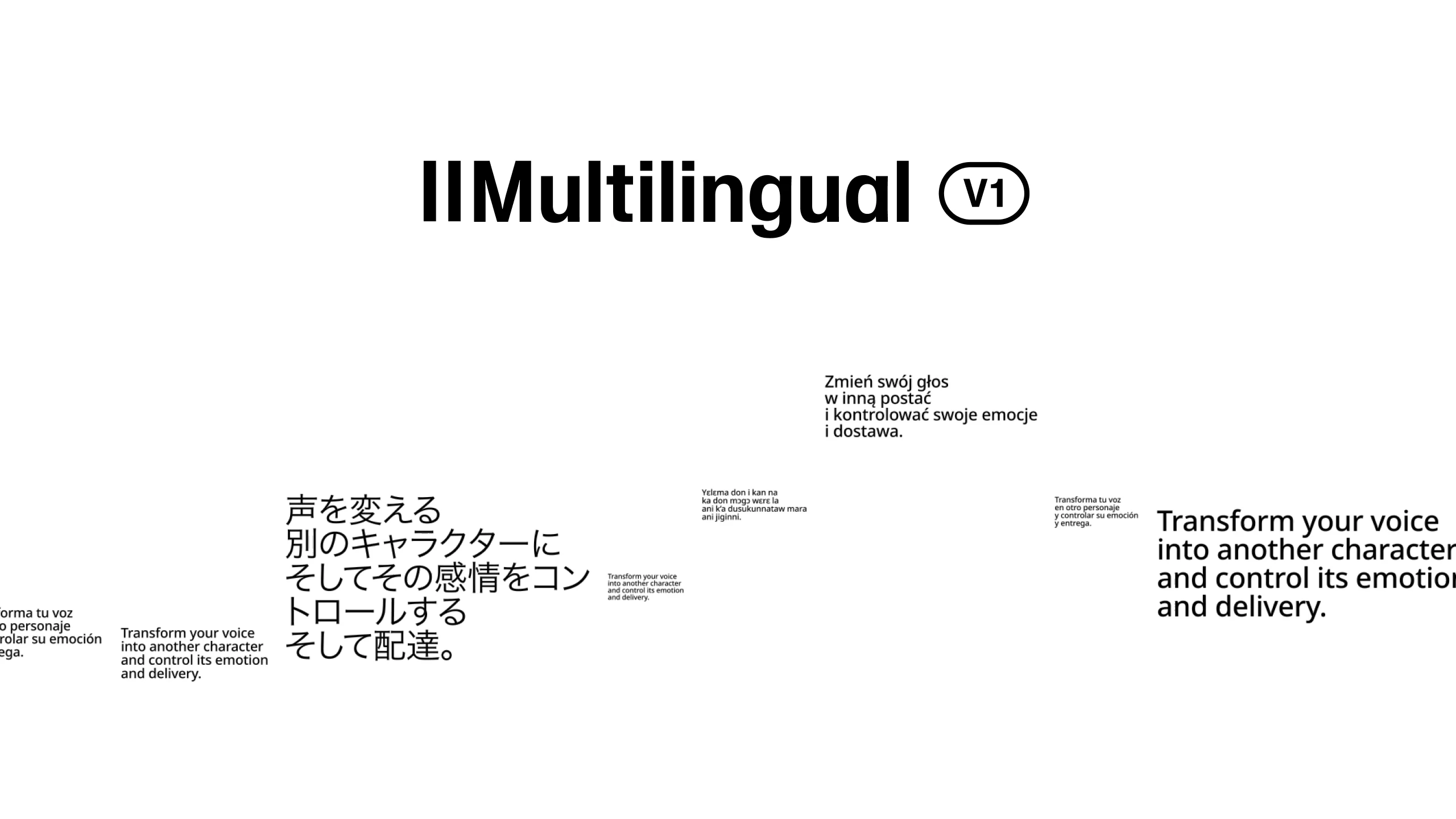
Step-by-Step Study Guide
Step 1: What Is Eleven Multilingual v1?
Think of it as an upgraded text-to-speech (TTS) engine that can now speak multiple languages — not just English.
| Feature | Eleven Monolingual v1 | Eleven Multilingual v1 |
|---|---|---|
| Languages | English only | English + 7 new languages |
| Emotional delivery | ✅ | ✅ |
| Context awareness | ✅ | ✅ |
| Multilingual in one prompt | ❌ | ✅ (limited) |
7 New Supported Languages:
French • German • Hindi • Italian • Polish • Portuguese • Spanish
Step 2: How Does It Work? (Core Technology)
The model is built on deep learning research using three key improvements over its predecessor:
More Data → Better Language Understanding
More Computing Power → Faster, Richer Processing
Novel Techniques → Emotionally Realistic Speech
Key Technical Capabilities:
- Context-aware delivery — adjusts how it speaks based on meaning
- Emotion conveyance — sounds hyper-realistic, not robotic
- Multilingual text detection — identifies language automatically within a prompt
- Voice consistency — maintains the speaker's unique voice across all languages
💡 Simple Analogy: Imagine a voice actor who can switch between 8 languages while keeping their same tone, accent, and personality. That's what this model does.
Step 3: How Do You Use It?
The process is straightforward:
Step 1: Log into ElevenLabs Beta Platform
Step 2: Go to the Speech Synthesis Panel
Step 3: Select "Eleven Multilingual v1" from the dropdown menu
Step 4: Type your prompt in your target language
Step 5: Generate speech
Compatibility:
- ✅ Works with Instant Voice Cloning
- ✅ Works with Voice Design
- ✅ Available on all subscription plans
Step 4: Understanding Its Limitations
No technology is perfect. Here are the known limitations you must understand:
| Problem | Example | Recommended Fix |
|---|---|---|
| Numbers default to English | "11" in Spanish sounds English | Spell it out: "once" |
| Acronyms default to English | "AI" in French sounds English | Write the full word in target language |
| Foreign words default to English | "radio" in Spanish | Use native equivalent or phonetic spelling |
⚠️ Best Practice: Use single-language prompts for best results. Multi-language prompts work but are still being improved.
Step 5: Real-World Applications
Understanding who benefits helps you grasp the bigger picture of why this matters:
🎨 Content Creators
- Reach global audiences without hiring multilingual voice actors
- Bridge cultural gaps with authentic-sounding audio
🎮 Game Developers & Publishers
- Create localized game experiences for international players
- Maintain quality and accuracy without extra cost
🏫 Educational Institutions
- Produce audio lessons in students' native languages
- Support pronunciation learning and diverse teaching styles
♿ Accessibility Organizations
- Convert written resources to audio for people with visual impairments
- Support those with learning difficulties in their preferred language
Step 6: The Bigger Vision — Democratization of Voice
This is the "why it matters" layer of understanding.
ElevenLabs' Core Mission:
"Make all content universally accessible
in any language and in any voice."
What "Democratization" Means Here:
- Small creators can now compete with large media organizations
- Independent artists get access to professional-quality audio tools
- Cultural gaps are reduced through authentic multilingual content
- Innovation and diversity are promoted globally
💡 Key Insight: Previously, high-quality multilingual audio required large budgets and professional studios. AI now makes this accessible to anyone.
Summary: Key Takeaways
| Concept | Core Point |
|---|---|
| What it is | Advanced multilingual TTS model supporting 8 languages |
| How it works | Deep learning with emotional, context-aware speech synthesis |
| Key feature | Maintains voice identity across all languages |
| Main limitation | Numbers/acronyms may default to English |
| Best practice | Use single-language prompts; spell out numbers |
| Who benefits | Creators, developers, educators, accessibility organizations |
| Bigger mission | Universal content accessibility in any language and voice |
Quick Self-Check Questions
- What are the 7 new languages added in Multilingual v1?
- What should you do if a number isn't pronounced correctly in your target language?
- Name two real-world groups that benefit from this technology and explain how.
- What is ElevenLabs' core mission, and how does this model support it?
- What is the difference between Monolingual v1 and Multilingual v1?