Auto-review enhances agent autonomy by assessing risks contextually before actions.
Concept 1: The Autonomy Problem
What is it?
Agents (AI systems that perform tasks) need autonomy — the ability to act independently without constantly asking for permission.
The Tension
| Too Little Autonomy | Too Much Autonomy |
|---|---|
| Agent stops constantly to ask permission | Agent takes unintended or risky actions |
| Slows down productivity | Security risks (files, credentials, production systems) |
| Frustrating for users | Potentially irreversible damage |
The Key Insight
Asking for permission too often creates its own safety problem — users stop reading carefully, and approvals become meaningless (like clicking "I Agree" without reading).
Concept 2: The Dial vs. The Switch
What is it?
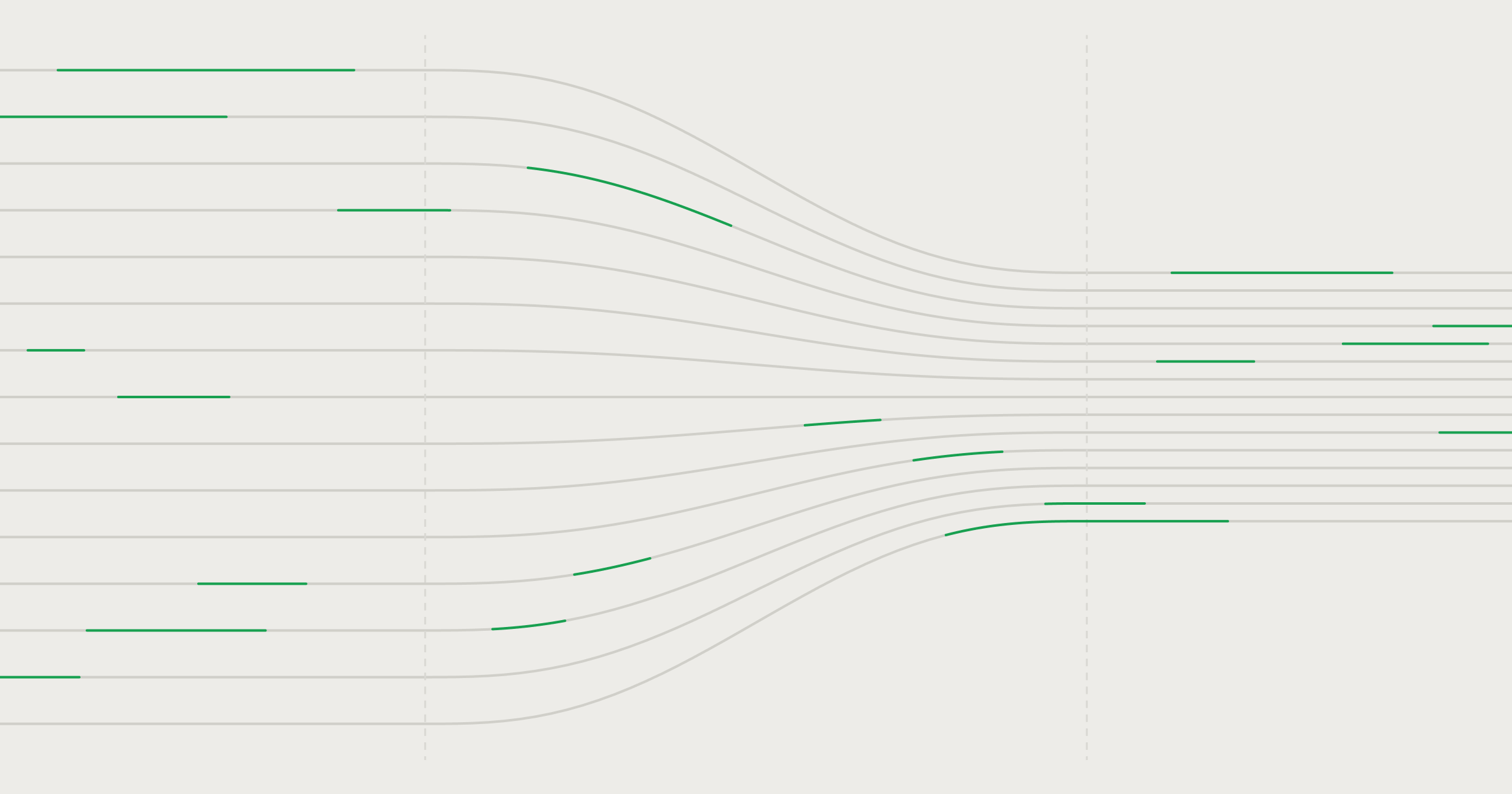
The core design philosophy behind Auto-review.
The Switch (Old Way)
Agent Action → Ask User? YES or NO → Proceed
- Binary: either always ask, or never ask
- No middle ground
The Dial (New Way)
Low Stakes ←————————————→ High Stakes
Agent moves freely          Agent slows down
- Autonomy is a spectrum, not an on/off setting
- The agent moves freely when stakes are low
- The agent slows down when crossing a meaningful boundary
Concept 3: Context-Dependent Risk
What is it?
Risk is not absolute — the same action can be safe or dangerous depending on the situation.
Example
python script.py
- ✅ Safe: if the script just formats text
- ❌ Dangerous: if the script deletes production data
What Actually Determines Risk?
Three factors together:
- The action itself — what is being done
- The user's request — what the user actually asked for
- The consequence of being wrong — how bad is a mistake here?
Risk = Action + Context + Consequence
Concept 4: The Classifier Agent
What is it?
A specialized small AI model that reviews actions before they execute, acting as a contextual gatekeeper.
How It Works
User Request
     ↓
Parent Agent plans an action
     ↓
Classifier Agent reviews the action ← (NEW STEP)
     ↓
Allow or Block
     ↓
Action executes (or doesn't)
Design Goals
| Goal | Why |
|---|---|
| Small model | Must be fast and cheap to run |
| Enough reasoning | Must make nuanced judgments |
| Context-aware | Can inspect files before deciding |
The Central Rule Given to the Classifier
Be more lenient when security stakes are lower. Be more cautious when security stakes are higher.
Concept 5: Making the Classifier Agentic
What is it?
The classifier isn't just a passive rule-checker — it can actively investigate before making a decision.
Why This Matters
Some actions can't be judged from the command alone:
python script.py ← Can't tell if safe just from this
Tools the Classifier Can Use
ReadFile— read the contents of a fileGrep— search for patterns inside filesGlob— find files matching a patternListDir— see what's in a directory
The Flow
Classifier sees: python script.py
       ↓
Classifier uses ReadFile to inspect script.py
       ↓
Classifier sees: script deletes /prod database
       ↓
Classifier BLOCKS the action
Concept 6: The Feedback Loop (Not Just Blocking)
What is it?
When the classifier blocks an action, it explains why to the parent agent — not just to the user.
Why This Is Clever
Classifier blocks action
        ↓
Sends explanation to Parent Agent
        ↓
Parent Agent finds a SAFER alternative
        ↓
User is never interrupted
The Key Question the Classifier Asks
Is this action justified by what the user asked for?
- Not: "Does this action look risky in isolation?"
- But: "Does this action make sense given the user's intent?"
This allows normal development work to continue while flagging actions that go beyond what was requested.
Concept 7: Architecture — Avoiding Extra Latency
The Problem
If the classifier were a separate service, every action would require:
Agent → [Network call] → Classifier Service → [Network call back] → Agent
This adds delay before every single tool call.
The Solution
The classifier runs in the same stream as the parent agent — similar to how subagents work.
Same RPC Stream
┌─────────────────────────────┐
│  Parent Agent               │
│       ↓                     │
│  Classifier (inline)        │
│       ↓                     │
│  Tool executes              │
└─────────────────────────────┘
- No extra network round trip
- Faster decisions
- Same infrastructure
Concept 8: Testing the Classifier (Evals)
What is it?
A rigorous testing process to ensure the classifier catches risky actions without blocking normal work.
Two Types of Test Data
1. Real Usage Data
- ~12 hours of internal developer sessions
- Deduplicated into 6,122 labeled rows
- Shows the "normal shape" of agent work
2. Synthetic Data
- Generated worst-case scenarios
- Examples: reading secrets, touching production data, following untrusted instructions
- Covers failures that rarely appear in normal usage
The Labeling Challenge
When the policy changed, the entire dataset had to be re-labeled — otherwise you'd be testing a new classifier against an outdated standard.
Concept 9: Detecting "Flapping"
What is it?
A quality signal that reveals unstable classifier behavior.
What Flapping Looks Like
Same action tested 10 times:
✅ Allow ✅ Allow ❌ Block ✅ Allow ❌ Block ❌ Block ✅ Allow ❌ Block ✅ Allow ✅ Allow
= 6 allows, 4 blocks → FLAPPING
What It Means
- The policy or prompt is underspecified
- The classifier is uncertain about this case
- Fix: tighten the policy until behavior is consistent
Concept 10: Real-World Results
The Numbers
| Metric | Value |
|---|---|
| Actions blocked by classifier | ~4% |
| Chats with at least one user interruption | ~7% |
| Previous enterprise block rate (before Auto-review) | ~40% |
What This Means in Practice
100 agent actions
       ↓
~4 get blocked by classifier
       ↓
Most blocks → Parent Agent finds safer path (no user interruption)
       ↓
Only ~7% of total chats ever interrupt the user
The Improvement
From 40% of actions blocked (old way) → 7% of chats interrupted (new way)
Summary: How All Concepts Connect
┌─────────────────────────────────────────────────────┐
│              THE BIG PICTURE                        │
│                                                     │
│  User Request                                       │
│       ↓                                             │
│  Parent Agent plans action                          │
│       ↓                                             │
│  Classifier Agent (small, fast, agentic)            │
│    • Reads context (files, tools)                   │
│    • Asks: "Is this justified by user's intent?"    │
│    • Considers: action + context + consequence      │
│       ↓                    ↓                        │
│    ALLOW               BLOCK + Explanation          │
│       ↓                    ↓                        │
│  Action runs      Parent Agent finds safer path     │
│                            ↓                        │
│                   (rarely) Interrupt user           │
└─────────────────────────────────────────────────────┘
The Core Philosophy
Autonomy is a dial, not a switch. Agents move freely when stakes are low. Agents slow down when crossing meaningful boundaries. The classifier makes that judgment — in context, in real time, without slowing everything down.